
Yarn Under Single Crochet
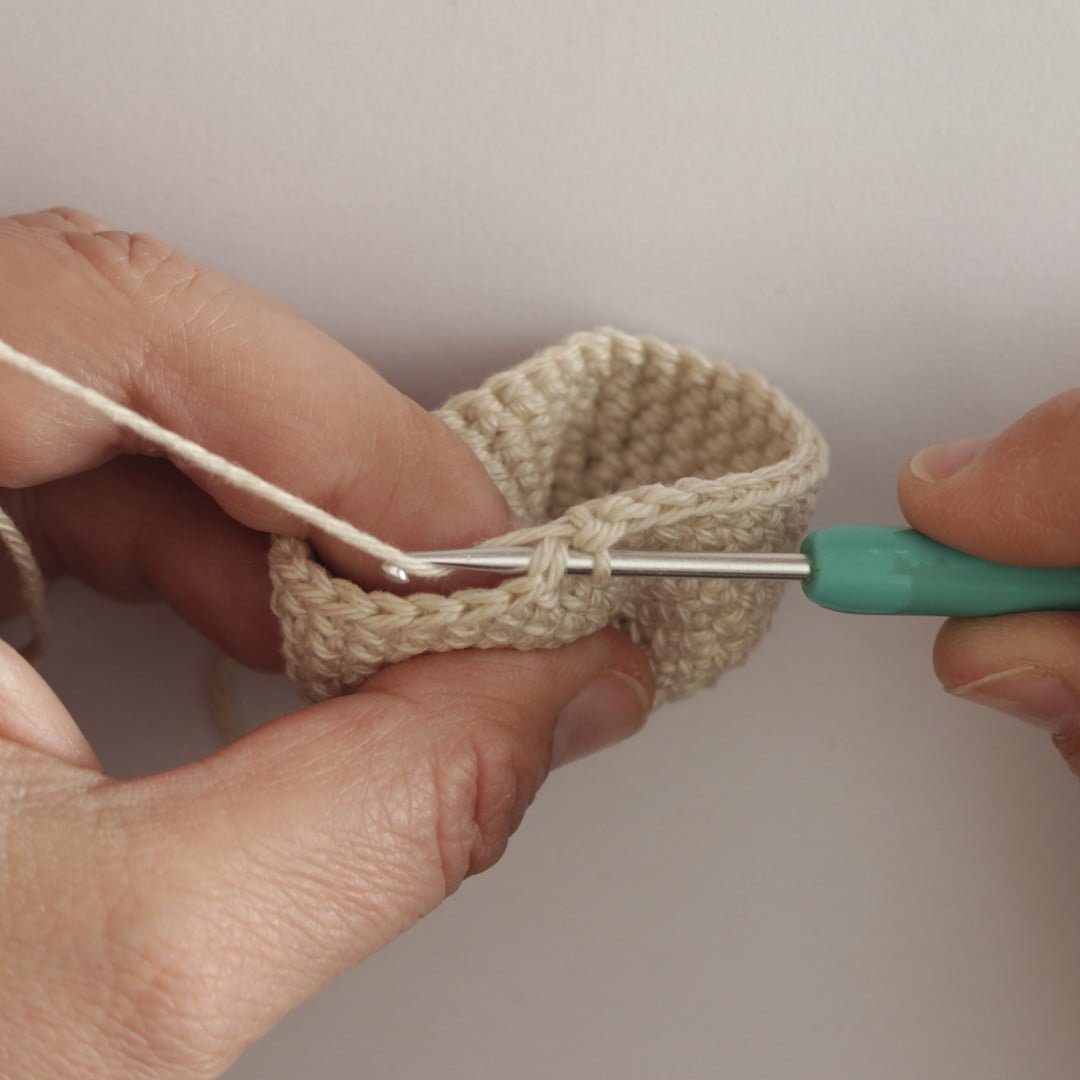
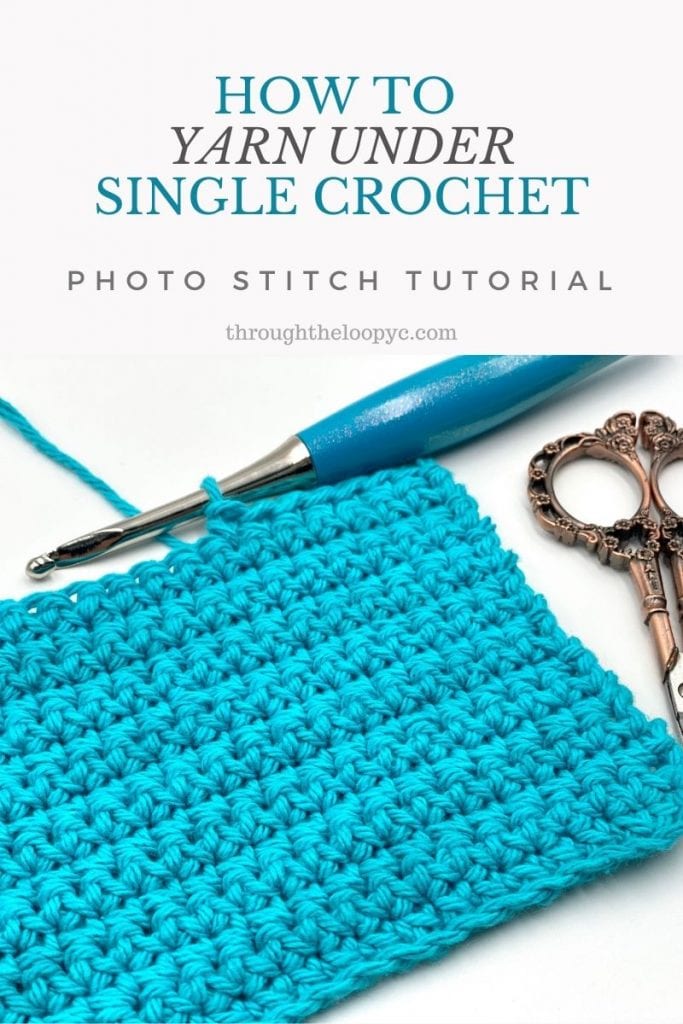
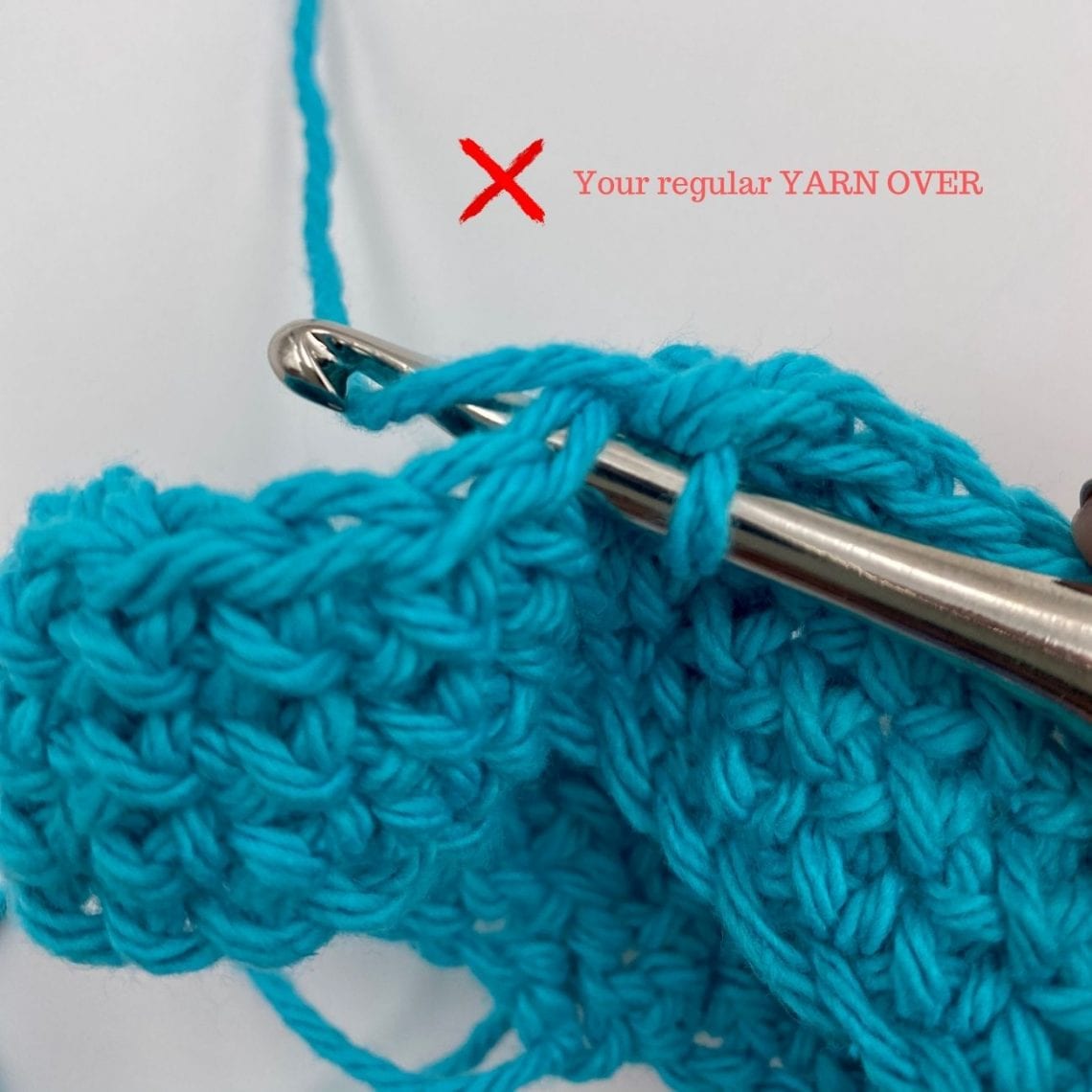
Yarn Under Single Crochet - Web the other lesser known method to make a single crochet is to insert your hook into a stitch, yarn under, pull through, yarn over, pull through both loops. Both were made with the same number of rows and stitches per row using single crochet and the same hook size. You just need to learn to work on the yarn loops and the rest will follow. Cotton blends or other fibers, like acrylic, should not be used. These top two loops are often referred to as the front loop and the back loop. Working a “yarn under” single crochet is recommended for a lo. Thank you for your feedback. To start, loop the yarn over the pinkie, under the third and middle fingers, and over your index finger. Sl st = slip stitch; Web crochet hook size: Web the yarn under single crochet is a special version of the single crochet that is perfect for amigurumi. Sounds like both should look the same, right? The overall amigurumi comes out slightly smaller, but the stitches are tighter and it's less likely for the stuffing to show. Web the more recent growth of amigurumi has brought to light the crochet yarn under the hook method of making single crochet stitches. To make a yarn under you take your crochet hook on top of the yarn, grab it and pull through. 100% cotton or wool yarn is recommended for potholders because they don’t burn under extreme heat. There are other versions that some like better than others. First, check out the 2 different swatches below. The way that i make this version of a single crochet, is not the only way! You just need to learn to work on the yarn loops and the rest will follow. Web designed with comfy fingering weight yarn from wecrochet, this pattern promises a project and a journey filled with creativity, style, and fulfillment. Web tapestry crochet is similar to single crochet, except the yarn of a different color lying on top loops of the lower stitches while another yarn is crocheted under and over it. Designed for primary cotton light. A yarn under, because it can be a little tricky to spot at first. To start, loop the yarn over the pinkie, under the third and middle fingers, and over your index finger. Since i got to know the yarn under yarn over method, i always crochet my amigurumi this way.it is. Thank you for your feedback. You can start. Well, they don’t, because the left one is made with “yarn over” and the right one is. Yarn over and yarn under. I used lion brand yarns 24/7 cotton. To start, loop the yarn over the pinkie, under the third and middle fingers, and over your index finger. Bring yarn from back to front, wrapping it around your hook. Web designed with comfy fingering weight yarn from wecrochet, this pattern promises a project and a journey filled with creativity, style, and fulfillment. Web the other lesser known method to make a single crochet is to insert your hook into a stitch, yarn under, pull through, yarn over, pull through both loops. First, check out the 2 different swatches below.. Sounds like both should look the same, right? Web the yarn under single crochet is a special version of the single crochet that is perfect for amigurumi. I still yarn under most of the time! For a beginner crocheter, even the basic stitches and techniques might seem overwhelming. A yarn under, because it can be a little tricky to spot. Web learn how to yarn under, yarn over a single crochet stitch. Some crocheters work a yarn under instead of a yarn over at a crucial point. Sl st = slip stitch; You can start with any number of chains, and there is no pattern repeat. The overall amigurumi comes out slightly smaller, but the stitches are tighter and it's. Web yarn over vs yarn under using single crochet. When you yarn over, you hook the yarn with the working yarn wrapped over the hook (see 1st photo). Web yarn over vs yarn under single crochet differences: Web traditionally single crochet is made by yarning over. I have multiple slides in my presentation dedicated to explaining the right way and. Web yarn under single crochet for amigurumipin it: These top two loops are often referred to as the front loop and the back loop. Web traditionally single crochet is made by yarning over. Web learn to crochet a beautiful potholder using the basic single crochet stitch. Use the starting tail to stitch closed the hole under. This potholder is double thick and includes a video tutorial! A yarn under, because it can be a little tricky to spot at first. Web the more recent growth of amigurumi has brought to light the crochet yarn under the hook method of making single crochet stitches. Web the yarn under single crochet stitch is a variation of the basic. Both have a purpose, and depending on who taught you to crochet, you may not realize you may be doing it differently than others. The object in amigurumi is to make the stitches tight and uniform to reduce the chances of stuffing wriggling through and gaps between stitches. Sl st = slip stitch; Web the other lesser known method to. Web the other lesser known method to make a single crochet is to insert your hook into a stitch, yarn under, pull through, yarn over, pull through both loops. To work a regular single crochet, insert the hook into the stitch, yarn over — notice the position of the yarn — and pull up a loop, then yarn over and pull through two loops on the hook. Up to 130 yds (120 m) in dark color, up to 90 yds (80 m) in light color. Sl st = slip stitch; The overall amigurumi comes out slightly smaller, but the stitches are tighter and it's less likely for the stuffing to show. Designed for primary cotton light or medium worsted yarn (us weight category 3 or 4). For a beginner crocheter, even the basic stitches and techniques might seem overwhelming. Web learn how to yarn under, yarn over a single crochet stitch. 100% cotton or wool yarn is recommended for potholders because they don’t burn under extreme heat. These top two loops are often referred to as the front loop and the back loop. Web designed with comfy fingering weight yarn from wecrochet, this pattern promises a project and a journey filled with creativity, style, and fulfillment. The way that i make this version of a single crochet, is not the only way! Web the yarn under single crochet is a special version of the single crochet that is perfect for amigurumi. This method makes an 'x' stitch. You can create variations of the standard sc stitch loop by working solely in the front loop, back loop, or various combinations of loops. The object in amigurumi is to make the stitches tight and uniform to reduce the chances of stuffing wriggling through and gaps between stitches.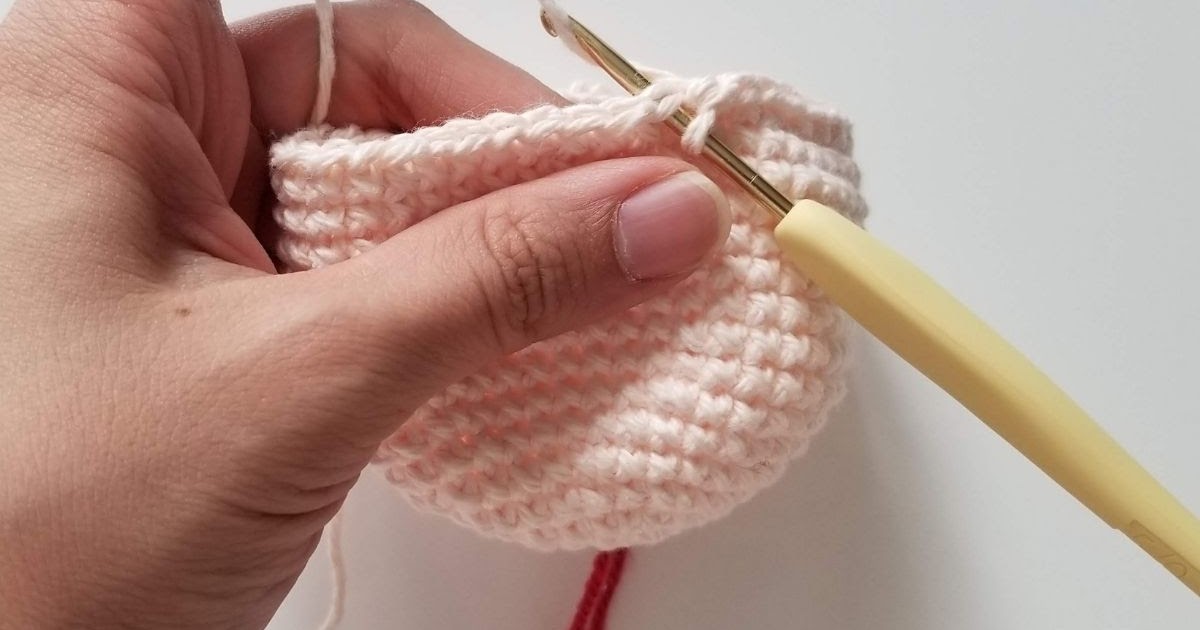
How to Yarn Under Single Crochet

How to make the yarn under single crochet stitch YouTube
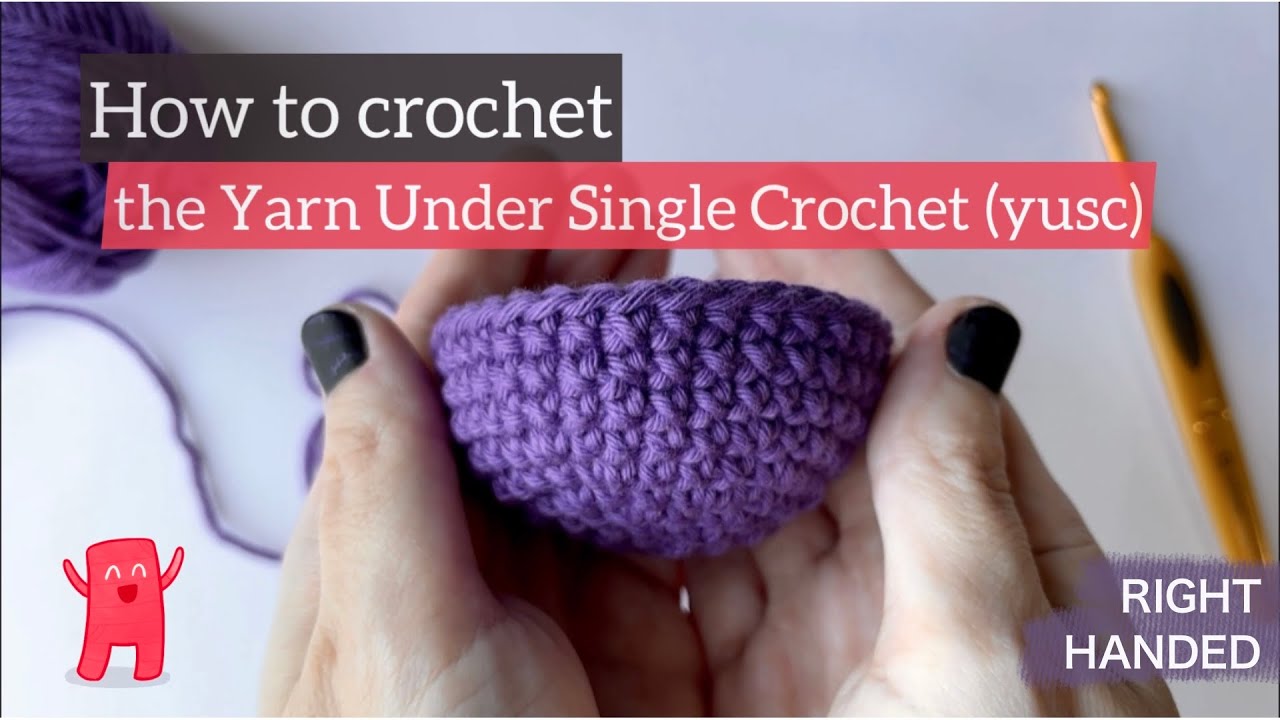
How to Crochet the Yarn Under Single Crochet YUSC (Easy & Slow) YouTube

With Alex Yarn Under Single Crochet For Amigurumi
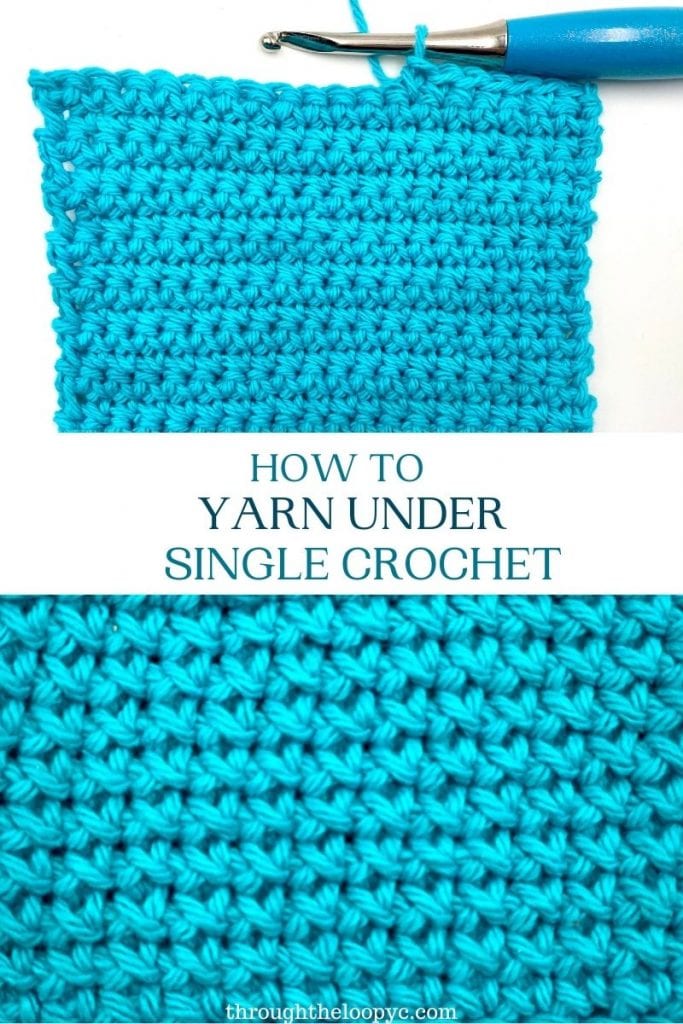
How To Yarn Under Single Crochet Through The Loop Yarn Craft
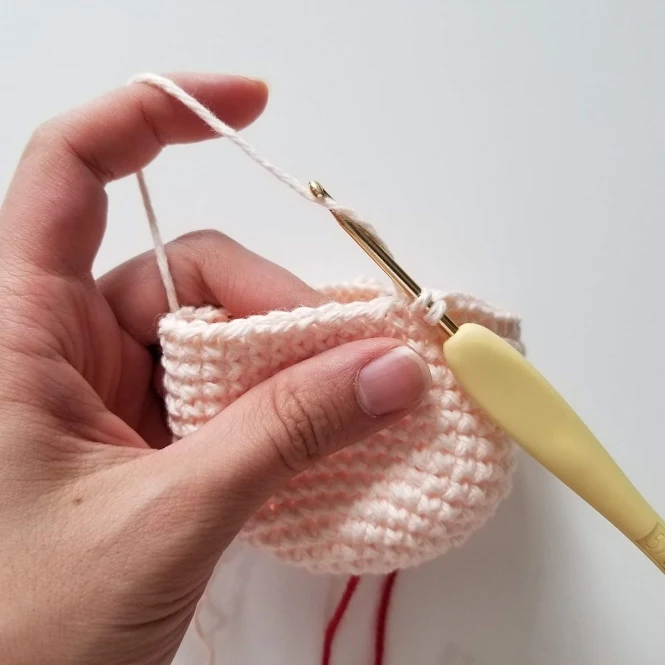
How to Yarn Under Single Crochet

How to Crochet Yarn Over vs Yarn Under Correct Way Made Easy
How To Yarn Under Single Crochet Kouvarakia
How To Yarn Under Single Crochet Through The Loop Yarn Craft
How To Yarn Under Single Crochet Through The Loop Yarn Craft
This Potholder Is Double Thick And Includes A Video Tutorial!
I Have Multiple Slides In My Presentation Dedicated To Explaining The Right Way And The Wrong Way To Yarn Over.
Some Crocheters Work A Yarn Under Instead Of A Yarn Over At A Crucial Point.
I Used Lion Brand Yarns 24/7 Cotton.
Related Post: